Fresh Prints - Design Tool Launch
What I Did:
Strategy, Content Creation, Campaign Execution & Influencer Partnerships
Year
2024
The Problem
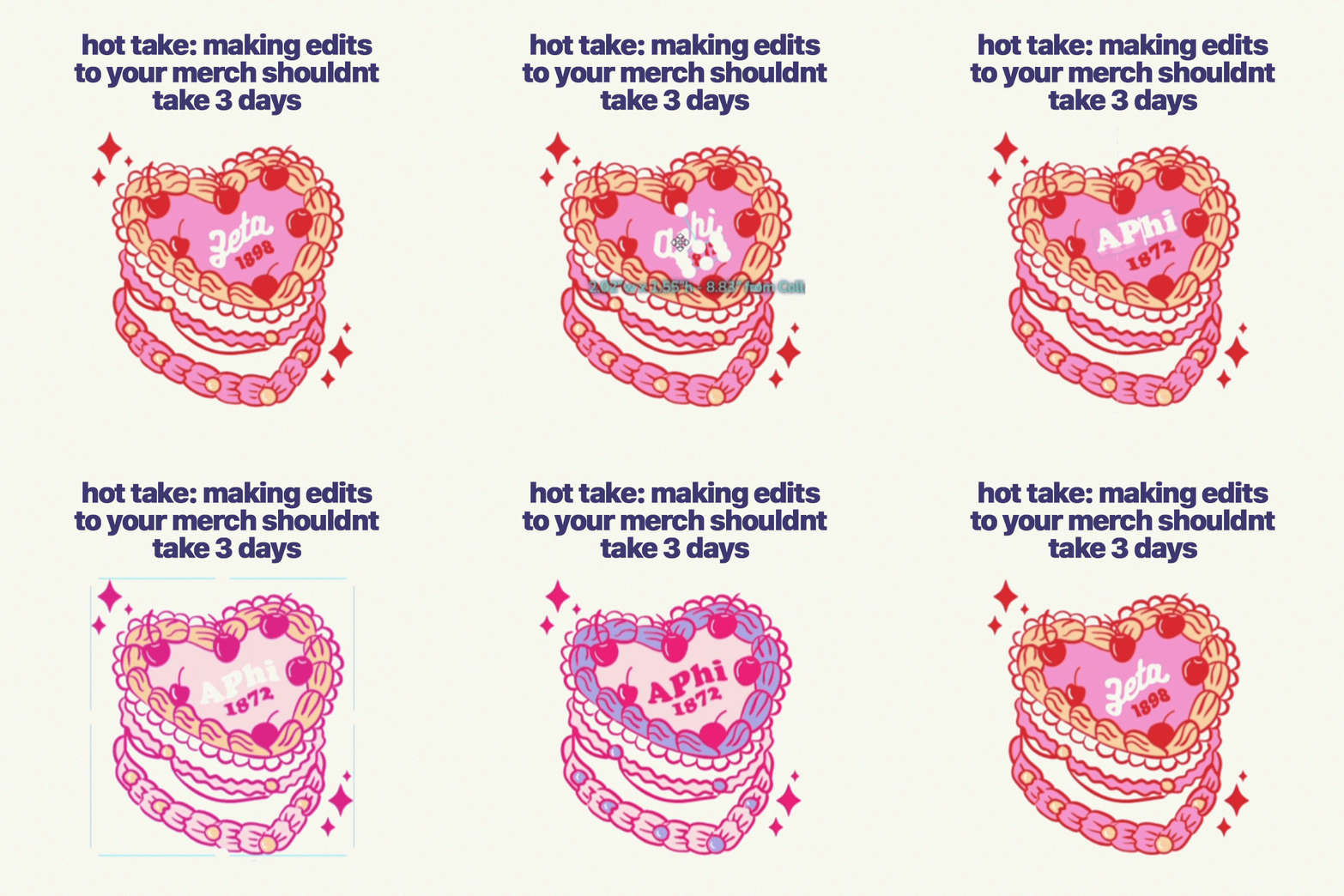
Customers had to wait on designers to mock up their custom merch ideas, which meant they couldn't iterate quickly or have full creative control over their designs.
The Solution
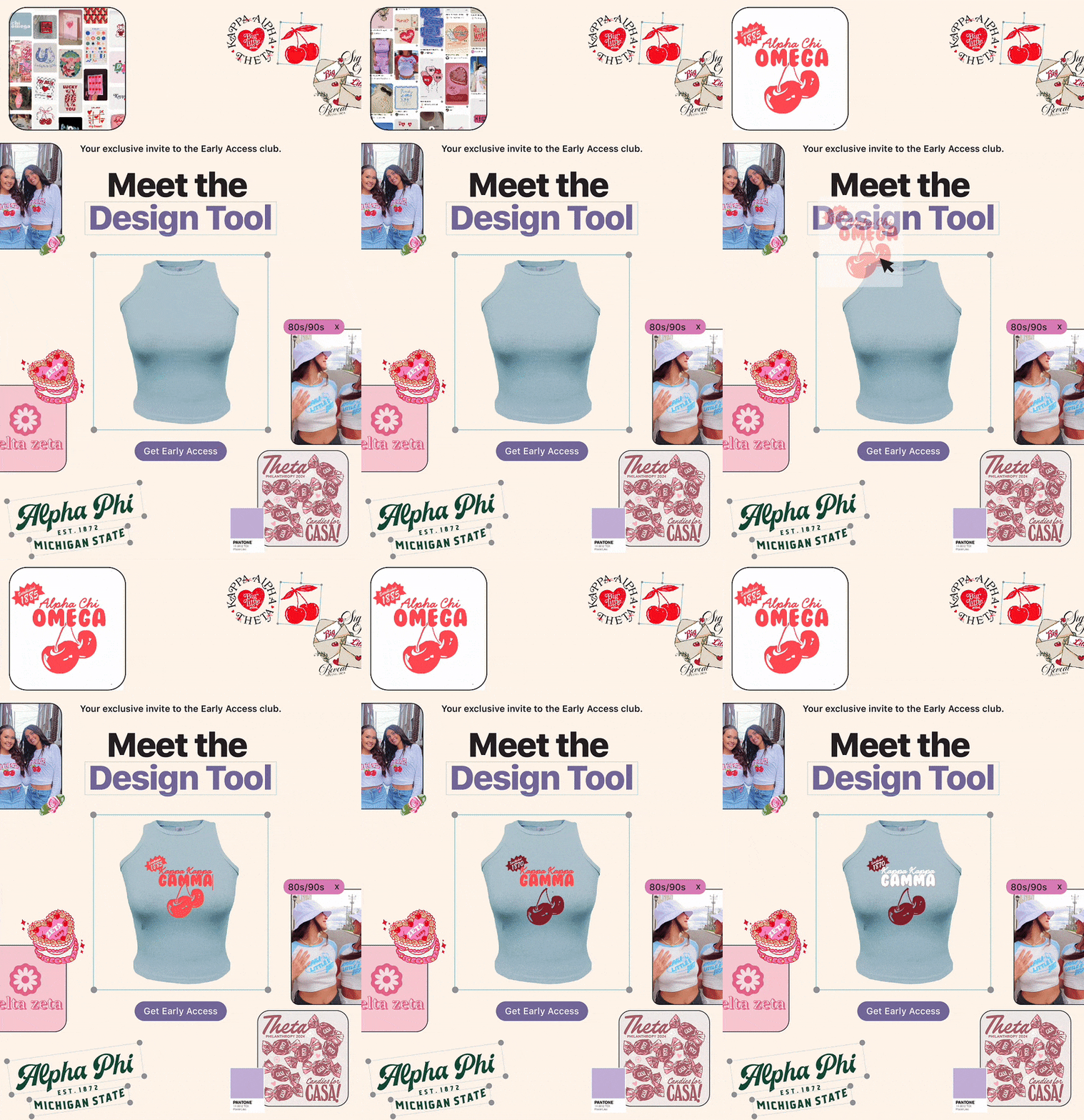
Launched a self-service design tool that let customers create their own mockups without needing a designer, giving them full creative control and scaling the business.
Research-Driven Foundations
To create a GTM launch strategy, it was crucial to understand the pain points from Fresh Prints’ customers’ point of view. I conducted 50+ customer interviews to do so.
While running these interviews, I noticed two main patterns among clients when it came to what they valued while creating merchandise for their org:
Sororities prioritized creative control and uniqueness
Fraternities prioritized ease and speed
I also analyzed tech launches from iconic brands like Adobe, Canva, and Duolingo to apply their techniques to Fresh Prints’ strategy.
This behavioral understanding of two distinct customer segments and external R&D is what shaped my GTM strategy plan.
Strategic Execution
-
Design tools aren't usually exciting, they feel technical and boring. We changed that by creating social content that felt big and culturally relevant instead of focused solely on features. We mixed high-production moments with quick reactions to trends, making the tool feel like something Gen Z would actually want to use.
Times Square billboard: We created a video showing the Design Tool on a Times Square billboard to immediately establish scale and credibility. It gave us a "wow" moment we could use across social and paid ads to build brand awareness.
Trend reactions: We jumped on viral pop-culture moments to show off the tool's features in ways that felt native to the platform instead of like a software demo. This kept engagement high and made the content feel relevant instead of promotional.
"Design in 60 Seconds" tutorials: We balanced the big production content with fast, simple tutorials showing how anyone could create professional designs in under a minute. The goal was to prove the tool was easy enough for non-designers to use immediately.
-
Email & SMS strategy: We built automated email and SMS flows that moved people from trying the tool to actually buying. The key insight was that Gen Z responded way better to messages that felt authentic and personal instead of polished and corporate.
Plain text emails from "Apparel Managers": These simple, undesigned emails sent from fake personal accounts to fraternity and sorority leaders massively outperformed our polished marketing emails. They felt like a direct message from someone they knew instead of a marketing blast.
Plain text SMS: SMS was one of our highest-converting channels because it felt immediate and personal. We kept messages simple and conversational, which drove adoption with almost no friction.
Designed campaign emails: We used polished visual emails for the big launch moment and content emails. The visual emails built awareness, but the simple ones drove conversions.
-
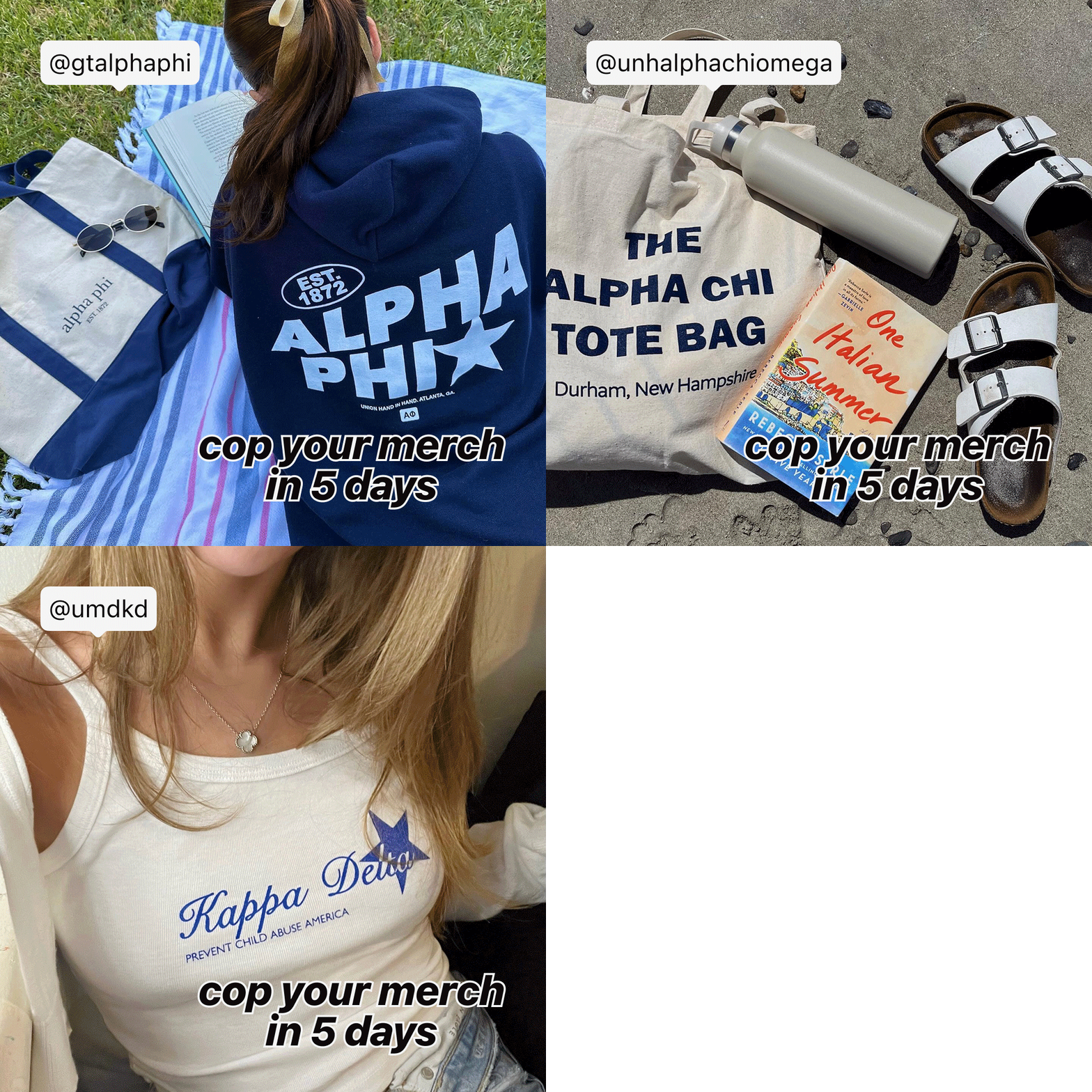
Gen Z trusts their peers way more than they trust brands or polished influencers. So instead of hiring traditional influencers, we built a network of student creators who could show the tool in action in ways that felt authentic and relatable instead of like an ad.
Creators Program: We had student influencers design their own collections and share them on social. It gave us authentic social proof from people the audience actually trusted and related to.
Micro-influencer strategy: We vetted and onboarded student creators with 10K+ followers to make tutorials showing how to use the tool. These felt like recommendations from friends instead of corporate marketing, which made them way more effective.
Why it worked: When students saw other students using the tool to design real merch for their organizations, it proved the tool actually worked. Campus communities are tight, so word spread fast once we had credible advocates within those networks.
The Impact
The launch successfully positioned Fresh Prints as a tech platform instead of just a custom merch company. We doubled engagement targets and drove significant tool adoption by focusing on what actually made Gen Z engage: authentic content, peer recommendations, and culturally relevant moments (instead of polished corporate marketing). The results proved that understanding user behavior drives better outcomes than optimizing for vanity metrics.
-
Got 72,000+ people using the tool in the first 10 weeks, beating our quarterly growth target by 141% in half the time.
-
Drove massive brand awareness through a mix of high-production content (Times Square billboard, influencer collaborations) and quick trend reactions that kept the campaign feeling current and culturally relevant.
-
Almost doubled the 6% target by creating content through student creators that felt authentic and relatable to Gen Z audiences.
Paid Social Assets